
Understanding the Impact of New Auto Tariffs: A Guide for Honda Buyers In Vermont
The implementation of new auto tariffs has introduced a significant shift in the automotive industry, with ramifications that extend across international supply chains and domestic dealership networks. For prospective Honda buyers, these developments are particularly consequential. While Honda has established a strong manufacturing presence in the United States, it remains a global manufacturer whose operations and pricing are subject to international trade dynamics. This article provides a comprehensive overview of how the new tariffs affect Honda vehicles, pricing, supply availability, and the optimal timing for purchase.
Are Honda Prices Expected to Increase?
Yes, an increase in Honda vehicle prices is highly likely in the current tariff environment.
Auto tariffs operate as taxes on imported goods, including components and completed vehicles. Although Honda manufactures many of its best-selling models—such as the Accord, CR-V, Civic, and Pilot—within the United States, a substantial portion of its parts and advanced technologies are sourced from global suppliers. When these components become subject to tariffs, production costs rise. Consequently, it is economically rational for automakers to adjust the Manufacturer’s Suggested Retail Price (MSRP) to reflect the elevated cost structure.
In previous economic cycles, Honda has demonstrated pricing stability and competitiveness, often absorbing minor cost fluctuations. However, the magnitude of the current tariffs may exceed tolerable thresholds, making cost pass-through to consumers a practical necessity. Buyers should anticipate upward price adjustments, especially on models with higher foreign content or limited domestic production runs.
How Will Dealership Inventory Be Affected?
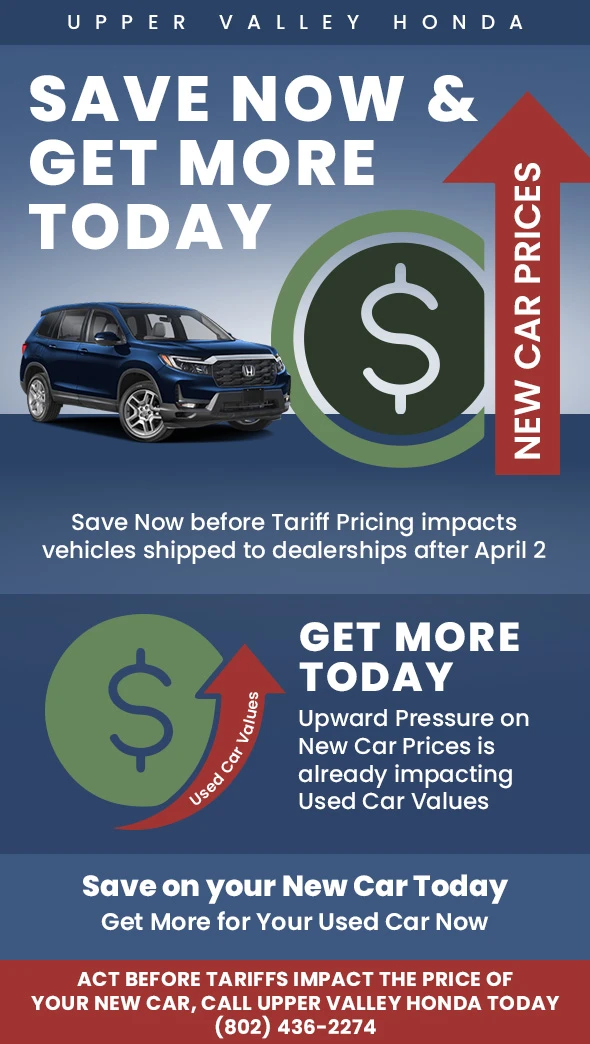
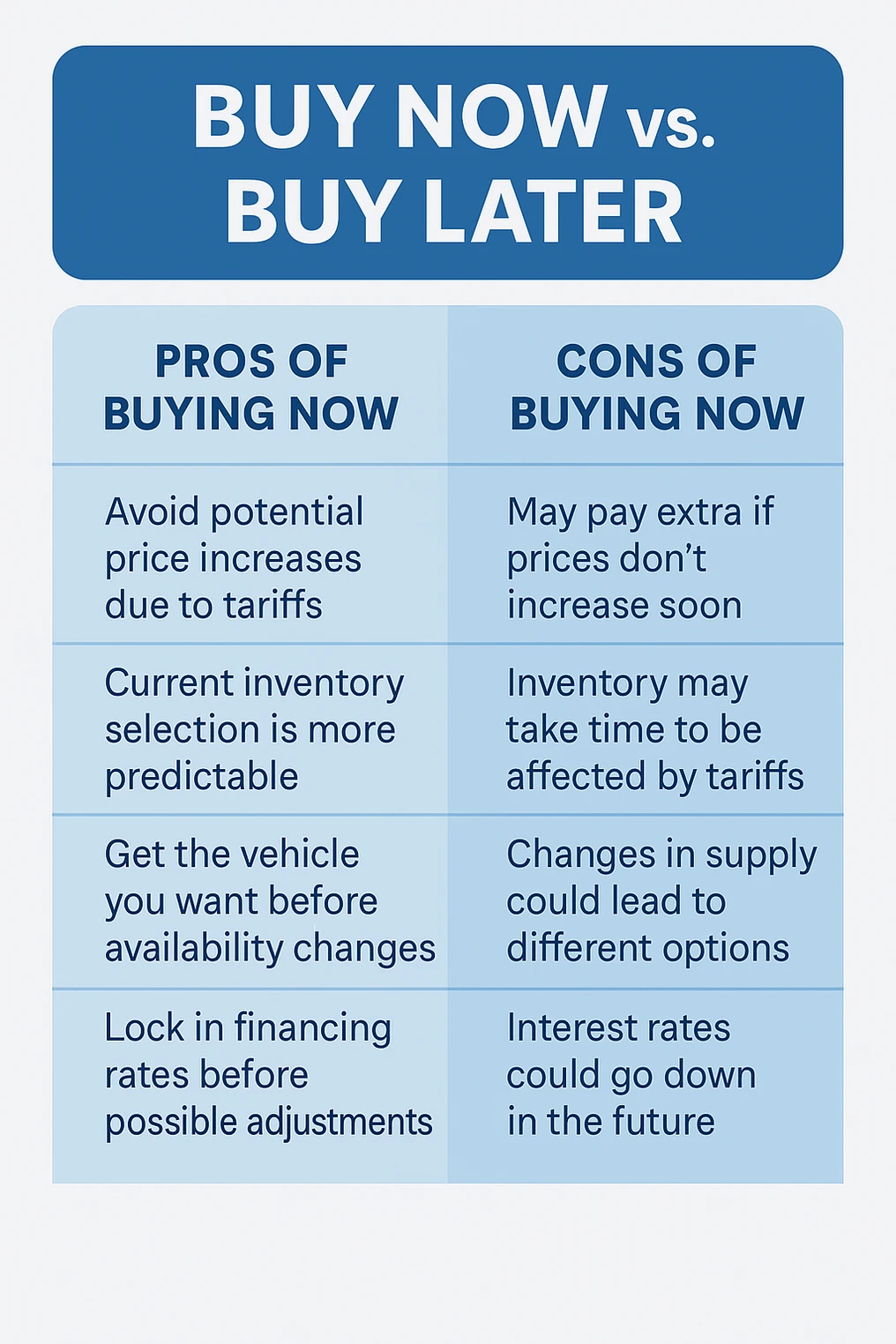
One of the most critical considerations for Honda buyers in the short term is the pricing of current dealership inventory. Vehicles that were manufactured and shipped prior to the implementation of tariffs generally retain their original pricing. This creates a finite window in which buyers can secure a vehicle at pre-tariff costs. However, it is important to recognize that as replacement inventory incurs higher production costs, dealerships may begin limiting incentives or tightening discount strategies. From a consumer perspective, this necessitates timely decision-making to capitalize on the current stock before broader pricing shifts occur.

Frequently Asked Questions (FAQ) for Honda Buyers
Q: What is a tariff in the automotive context?
A tariff is a government-imposed tax on imported goods. In the case of automobiles, tariffs apply to both completed vehicles and individual components sourced from abroad.
Q: Are all Honda vehicles impacted?
Not all. Honda builds a large percentage of its North American lineup domestically. However, models or trims that rely on imported parts may experience pricing impacts.
Q: How much could prices increase?
Industry estimates suggest vehicle prices could rise by $1,000 to $5,000 depending on the model, import volume, and cost of affected components.
Q: Will the used Honda market be affected?
Yes. As new vehicle prices increase, used vehicles often become more desirable, leading to higher resale values and reduced availability.
Q: Are financing and leasing terms likely to change?
Yes. Higher vehicle costs may increase loan amounts and monthly payments. Lenders and leasing companies may also adjust residual values and interest rates.
Q: Will hybrid or electric Honda vehicles be affected?
Potentially. While the Honda Accord Hybrid and other electrified models are domestically assembled, their battery components and control systems may include imported elements. The upcoming Honda Prologue EV may qualify for tax credits that offset these increases.
How Will Tariffs Affect Honda’s Supply and Model Availability?
Tariffs also exert pressure on supply chains and production planning. Honda, in response to global trade tensions, has made strategic investments to localize manufacturing for core models in U.S. facilities such as those in Ohio, Indiana, and Alabama. Nevertheless, not all models—or all variants of existing models—are domestically produced.
Certain trims, hybrid systems, and specialty vehicles may still rely on imported components. As a result, buyers may encounter constrained availability, extended delivery timelines, or reduced variety in dealership inventories.
The strategic realignment of production to further localize manufacturing may mitigate these issues over time. However, the transition period is likely to be marked by volatility in supply and consumer choice limitations.
Strategic Insight for Honda Buyers
The introduction of new auto tariffs represents a pivotal moment for vehicle manufacturers and consumers alike. For Honda buyers, this is a time for strategic thinking and informed decision-making. While Honda’s investment in domestic production offers some insulation against tariff-related disruptions, the brand’s reliance on a global supply network means that cost and supply volatility cannot be entirely avoided.
In the near term, securing a Honda vehicle from current dealership inventory may offer financial advantages. Over the long term, staying engaged with dealership professionals, monitoring incentive programs, and understanding market trends will be essential for maximizing value and minimizing uncertainty.
Honda continues to embody reliability, innovation, and consumer trust. With the right approach, you can navigate this period of economic adjustment with clarity and confidence.